

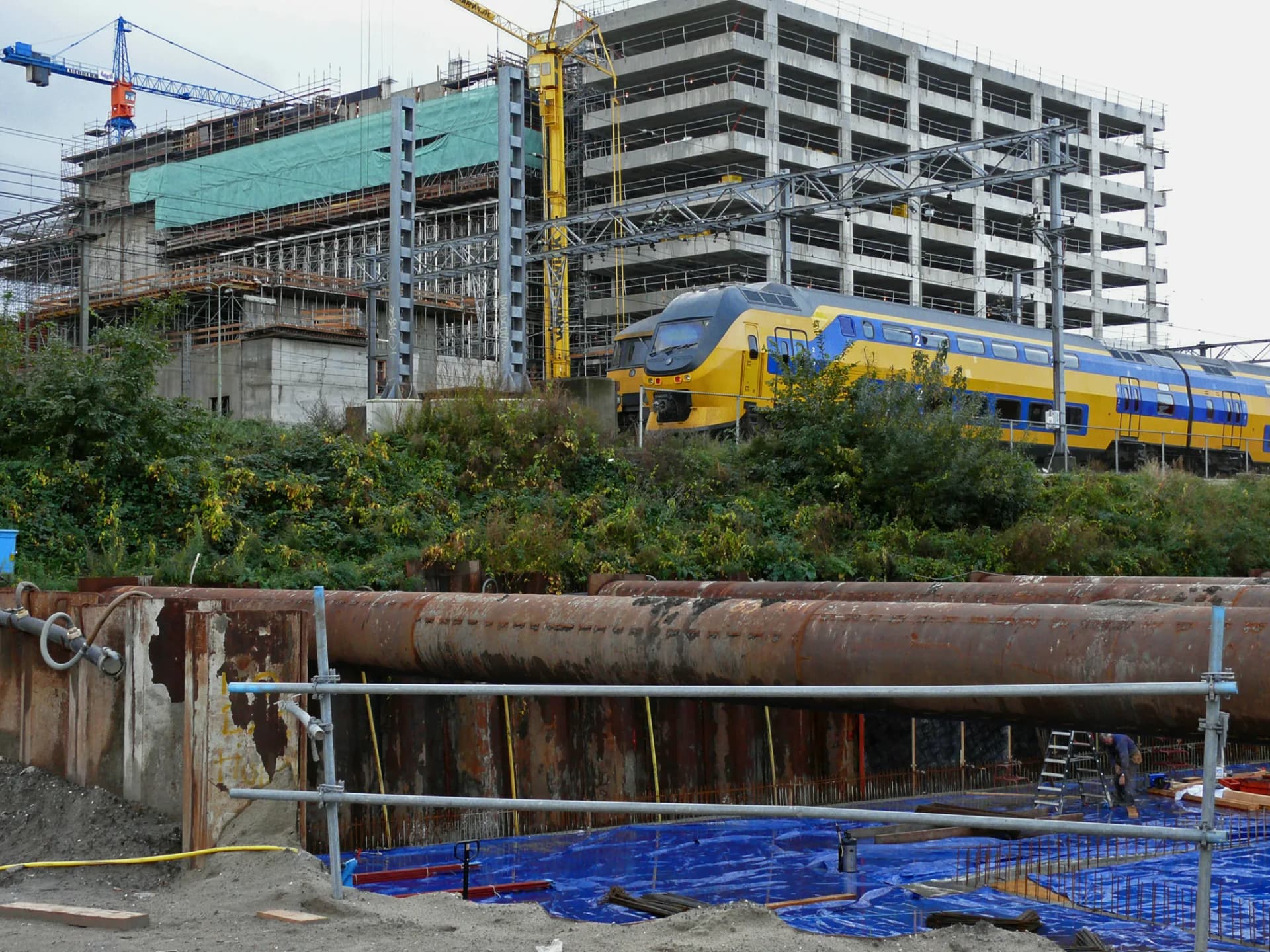
Train delays: they are one of the biggest frustrations for passengers in the Netherlands. Whether you commute to work every day or are off on a day trip, it can be seriously annoying when your train is delayed. But why does it happen so often? In this blog post we dive into the 5 most common reasons your train is delayed and give you tips on how best to deal with them.
1. Signal failures
One of the biggest culprits behind train delays is a signal failure. Signals play a crucial role in keeping trains running safely. When a failure occurs, trains often have to slow down or stop completely until the failure has been resolved. This can throw the timetable into serious disarray.
What can you do? Keep an eye on the NS app or other journey planners. You can often find alternative routes or switch to a bus.
2. Track problems
Track problems such as damage, maintenance works or switch failures occur regularly. Especially in autumn and winter, leaves on the rails or black ice can create dangerous situations, forcing trains to run more slowly.
What can you do? Allow extra travel time, especially in the autumn and winter months. Check in advance whether there are engineering works or bad weather that could affect your journey.
3. Personal accidents
Unfortunately, personal accidents are a common reason for train delays. These can range from accidents at level crossings to medical emergencies on the train. While it is important to be empathetic in these situations, they can lead to significant delays for passengers.
What can you do? Check whether replacement transport is available and try to stay patient. In some cases you can arrange a taxi or a carpool option more quickly.
4. Technical faults on the train
Defective trains, such as broken doors, engine failures or brake problems, can cause delays. These faults often have to be fixed on the spot, or the train has to go to a maintenance depot.
What can you do? Try to catch a later train and, if necessary, claim compensation via NS or your carrier.
5. Weather conditions
The Netherlands is known for its changeable weather, and that affects train traffic too. Heavy rain, storms and even extreme heat can cause failures in the infrastructure or in the trains themselves.
What can you do? Stay up to date with the weather forecast and anticipate possible disruptions. Travel at a different time if you can.